


True Religion | Since 2002
4.8465.00 Reviews
App Specs
- Version
- 2025.AW-1.1.2
- Updated On
- License
- Free
- Downloads
- 100,000+
- Developer
- True Religion Sales LLC
- Categories
- Shopping
- Platform
- Android
Screenshots

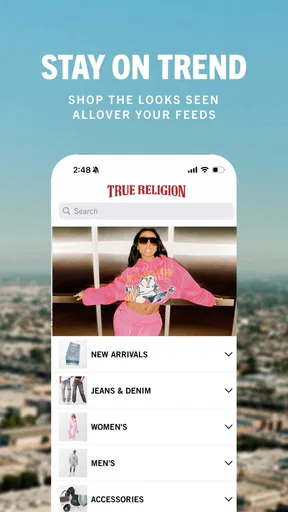
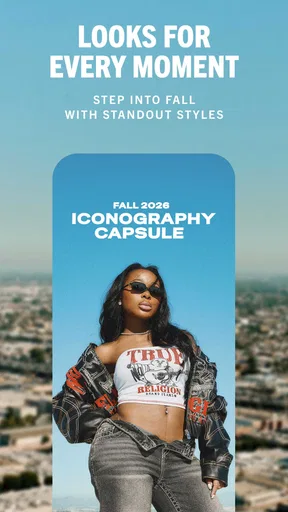
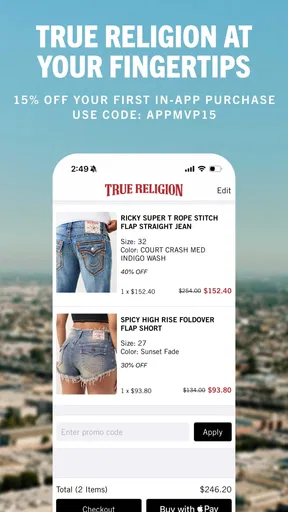
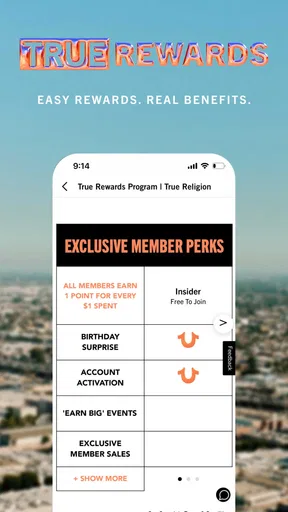
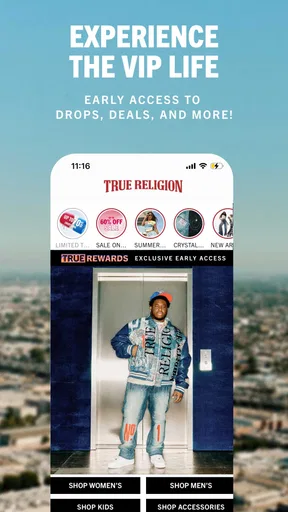

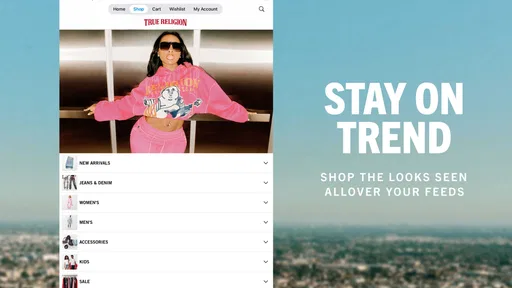
 Analysis by AppCompare
I approached True Religion | Since 2002 as a shopping app rather than simply another clothing storefront. My main question was practical: does it make browsing premium denim and streetwear easier than using a mobile browser, and does it help me make a more confident purchase? After spending time moving through its product-focused experience, I found a clean option for shoppers who already know the True Religion look and want a direct way to explore it on a phone.
The app is free, aimed at everyone, and comes from True Religion Sales LLC. It belongs to the shopping category, with the brand’s men’s and women’s denim and streetwear at its center. That focus is both its biggest strength and its clearest limitation: I would recommend it to someone actively considering this label, but not to a person looking for a broad marketplace with many brands, resale options, or price ranges.
How the app feels in everyday shopping
The first useful distinction is between browsing for inspiration and shopping with a specific intention. If I am casually comparing dozens of unrelated labels, a general retailer will usually be more efficient. Inside this app, however, the narrower catalog makes sense when I want to stay within True Religion’s visual language. Denim, casual tops, and streetwear pieces feel easier to consider when the surrounding products belong to the same brand rather than competing for attention.
I found that this kind of focused catalog can reduce decision fatigue. Instead of opening several retailer pages and trying to remember which item came from where, I can keep the search within one brand environment. That is especially useful when I am checking whether a new pair of jeans will work with pieces I already associate with True Religion’s style.
The experience is best suited to short shopping sessions. I can open the app while commuting, save an item mentally for later, or return to a product after discussing a purchase with someone else. It feels more natural for checking a collection or revisiting a familiar style than for building a complete wardrobe from scratch.
One practical tip is to decide what I am trying to solve before opening it. “I need a relaxed denim option” is a better starting point than scrolling without a plan. A focused goal helps me judge cuts, colors, and styling more carefully, while an open-ended session can become a long visual browse without a clear purchase decision.
A useful workflow for denim shoppers
When I shop for jeans, I do not treat the product image as enough evidence. I first identify the general silhouette I want, then compare the available item details and think about how that shape fits with shoes and tops I already own. This is particularly important with statement denim, where the design may look excellent in a campaign image but feel less versatile in daily outfits.
Worth Reading Before You Choose

EA SPORTS FC Mobile 26 Is a Bigger Football Game, but It Takes Time

Flipboard Shows What News Apps Must Do Beyond the Feed

Switching to Android Auto Means Rethinking Your Driving Routine

Google Calendar Makes a Crowded Week Easier to Manage

Ludo King Makes the Most of the Minutes Between Plans

Baby Panda World Brings Quick Play to Modern Phones, but Its Game Library Feels Busy
I also recommend using the app as a shortlist tool rather than rushing to checkout. I can narrow my attention to a few candidates, compare their overall styling, and then revisit the final choice with my measurements and existing wardrobe in mind. That approach is more reliable than buying the first visually striking piece, especially when the goal is a pair of jeans for frequent wear.
A second non-obvious advantage is that a brand-specific app helps me notice consistency. Looking at related pieces together gives a better sense of whether I am buying one isolated item or assembling a coherent look. For shoppers who care about the recognizable True Religion aesthetic, that context is more useful than viewing a single product in isolation on a large multi-brand site.
What the current release tells me
The current version is 2025.AW-1.1.2, while the app first appeared on June 25, 2022. That combination suggests a product that has continued through later release cycles rather than remaining a one-time mobile catalog. I would not treat a version number alone as proof of a major redesign, but it does give existing users a useful reference point when checking whether their installed copy is current.
For me, the more important sign of evolution is that the app remains relevant as a direct shopping channel instead of being only a promotional showcase. A current shopping app needs to support quick return visits, product discovery, and purchase consideration without making the user start over every time. The release information makes it reasonable to expect ongoing maintenance, although I would judge each update by how smoothly the actual browsing and buying process works.
New users on an older Android device should pay attention to compatibility before planning a shopping session. The minimum supported Android version is 8.0, so the app is not aimed exclusively at recent phones. That is helpful for people who keep devices for several years, but an older handset may still make image-heavy browsing feel less comfortable than it does on a newer screen.
The app has reached more than 100 thousand installs and holds an average rating of 4.8 from roughly 4.4 thousand ratings, with 463 written reviews. Those figures show strong overall reception, but I would still read them as a sign of broad satisfaction rather than a guarantee that every shopper will have the same experience. Clothing decisions are personal, and fit expectations can vary more than a rating captures.
How it compares with the usual alternatives
Compared with a mobile browser, a dedicated app can feel more direct because I am entering a brand-centered space instead of navigating through search results, cookies, and unrelated recommendations. That matters when I already know I want True Religion. The trade-off is that the browser may be better when I am comparing several retailers at once or checking whether another seller offers a different delivery arrangement.
Compared with a large department-store app, this one is more focused but less useful for cross-brand price comparison. A department store can help me place True Religion beside other denim labels, compare promotions, and complete a mixed-brand order. This app is better when brand identity matters more than catalog breadth.
Compared with resale platforms, the official app offers a more straightforward path for someone seeking current brand merchandise rather than pre-owned pieces. Resale services may be more attractive to bargain hunters, collectors, or shoppers searching for discontinued designs. I would not use this app expecting the negotiation, one-off inventory, or unpredictable pricing that defines resale shopping.
The choice therefore depends on the job. For a quick brand-specific purchase, I prefer the focused route. For a research-heavy session involving fit comparisons across labels, used items, or a strict bargain budget, I would open a broader shopping service instead.
Where the experience still asks for patience
The narrow focus that keeps the app organized can also make it feel limited. If I want basic wardrobe staples from several brands, I have to leave it. It is not a universal shopping assistant, and treating it as one will create unnecessary switching between apps.
Premium denim also requires more thought than a quick visual decision. A photograph can communicate wash, styling, and attitude, but it cannot replace my own judgment about fit and comfort. I would be cautious about ordering an unfamiliar cut without checking the available product information carefully and considering how similar shapes have worked for me before.
Another point of friction is the difference between discovering an item and being ready to buy it. The app can make a product look appealing, but I may still need to pause and verify the size choice, intended use, and overall value. That is not a flaw unique to this app; it is a normal challenge of buying clothing on a small screen. Still, shoppers should not confuse a polished presentation with certainty about fit.
People who dislike brand-led styling may also find the experience too specific. The app is built around a recognizable fashion identity, so it works best when that identity matches my taste. If I prefer quiet basics, minimalist denim, or a low-cost wardrobe, a more neutral retailer may serve me better.
A realistic use case: planning an outfit before the weekend
Imagine I have a weekend event coming up and want denim that feels more distinctive than my everyday pair. I can open the app, browse the current selection, and focus on silhouettes that suit the setting rather than wandering through every category. I might compare a bolder option with a more adaptable one, then think through the shoes, jacket, and top already in my closet.
The useful part is not simply finding something attractive. It is testing whether the item has a role in my actual life. If I can picture wearing it with at least two existing outfits, the purchase becomes more sensible. If it only works with one carefully styled look, I may decide that a broader retailer or a less expressive piece is the better choice.
For a gift, I would be more cautious. A brand-specific shopping app can help me understand the style, but denim is difficult to buy for another person without reliable knowledge of their preferred fit and size. I would choose a gift only when I already know those details well; otherwise, the app is better used for inspiration than for a surprise purchase.
Who should install it
I think the app is a good match for existing True Religion customers, denim fans who want to browse one label without distractions, and shoppers who prefer using a phone rather than a desktop browser. It is also useful for someone building a coordinated streetwear wardrobe and wanting to see related brand pieces in one place.
Its free price removes the main barrier to trying it, and the Everyone content rating makes it broadly accessible. The sensible approach is to install it when I have a genuine interest in the brand, not merely because I want another shopping app sitting on my phone.
I would skip it if my priority is the lowest possible price, extensive secondhand selection, or immediate comparison among many competing denim brands. I would also choose another service if I am shopping for a full household order that mixes clothing, accessories, and unrelated products. The app’s value comes from focus, and focus is not the same as variety.
What existing users should watch after updating
For someone already using an earlier release, I would pay attention to practical continuity rather than assuming every update changes the look dramatically. Can I return to browsing without confusion? Do product pages remain easy to inspect? Does the buying path still feel clear on my particular phone? Those are the details that affect repeat shopping more than a new version label.
I would also watch how well the app supports a considered purchase. The most valuable improvement for a denim shopper is not necessarily more visual polish; it is clearer decision-making around product information, navigation, and the transition from browsing to ordering. If a release makes those steps easier, it benefits both first-time visitors and loyal customers.
Because the app is tied to a fashion brand, I would expect its usefulness to change with the assortment. A strong selection can make the focused format feel efficient, while a narrower or less relevant range may send me back to a general retailer. That is why I judge it as a channel for the current collection, not as a permanent replacement for every other way of shopping.
My final view is positive but deliberately specific. This is a focused shopping companion for people who already value the True Religion style, not a complete alternative to department stores, marketplaces, or resale apps. I like the direct brand context, the free entry point, and the way it supports short, purposeful browsing. I would use it when I want to explore premium denim and streetwear from this label, then slow down before buying to think about fit, versatility, and value.
With its current 2025.AW-1.1.2 release and support for Android 8.0 and later, it remains accessible to a wide range of Android users. My recommendation is simple: install it if True Religion is already on your shortlist, especially when you want a cleaner brand-specific experience than a general retailer provides. If your shopping goal is comparison, bargain hunting, or a mixed-brand order, keep your usual alternatives close. That balance is what makes True Religion | Since 2002 worthwhile without pretending it is something broader than it is.
Pros
- Distinctive streetwear style with recognizable True Religion branding.
- Offers clothing and accessories for casual
- fashion-focused wardrobes.
- Regular collections include options for men
- women
- and children.
- Product images and details make browsing items straightforward.
- Useful for discovering seasonal releases and brand-exclusive designs.
Cons
- Prices can be high compared with similar non-designer streetwear brands.
- Some designs rely heavily on large logos and may not suit every style.
- Popular sizes or colors may sell out quickly.
- The app may feel more like a shopping catalog than a full lifestyle experience.
- Shipping costs
- delivery times
- and return terms may vary by location.
FAQs for True Religion | Since 2002
What is True Religion | Since 2002?
True Religion | Since 2002 is the official shopping app for the True Religion brand, known for premium denim, casual clothing, footwear, and accessories. After exploring the app, its main purpose is to let customers browse the latest collections, view product details, check available sizes and colors, and place orders directly from a mobile device. It is designed for shoppers who already know the brand or want a convenient way to discover its current styles.
Can I purchase True Religion products directly through the app?
Yes, the app is intended to support direct shopping from True Religion’s product catalog. You can open individual product pages, review images and descriptions, select available options such as size or color, add items to your bag, and continue through the checkout process. Before ordering, it is important to confirm the product measurements, shipping destination, delivery costs, and return conditions because availability and policies may vary by region.
Is True Religion | Since 2002 free to download and use?
The True Religion | Since 2002 app can generally be downloaded without an upfront charge, and browsing the catalog does not require a purchase. However, downloading the app for free does not mean that the products are free. You will still pay the listed price for merchandise, along with any applicable taxes, shipping fees, or other checkout charges. Users should also verify whether special promotions or app-exclusive offers have specific terms.
Does the app offer discounts, promotions, or member benefits?
The app may display seasonal sales, promotional pricing, new collection announcements, and other offers connected with True Religion shopping. Depending on the campaign, some discounts may require an account, a promotional code, or a minimum purchase. Offers can also be limited by location, product category, or expiration date. It is recommended to read the promotion details carefully at checkout rather than assuming every item qualifies automatically.
Is True Religion | Since 2002 safe to use for shopping?
The app is designed for customers who want to shop through an official True Religion mobile experience, but users should still follow normal online-shopping precautions. Download it from a trusted official store, check the developer information, and keep the app updated. When creating an account or entering payment details, use a secure connection and a strong password. Review the privacy, payment, shipping, and return policies before completing an order.


